1,500 & 1,000 g
Feedback
Proprioception. Positions. Mechanics.
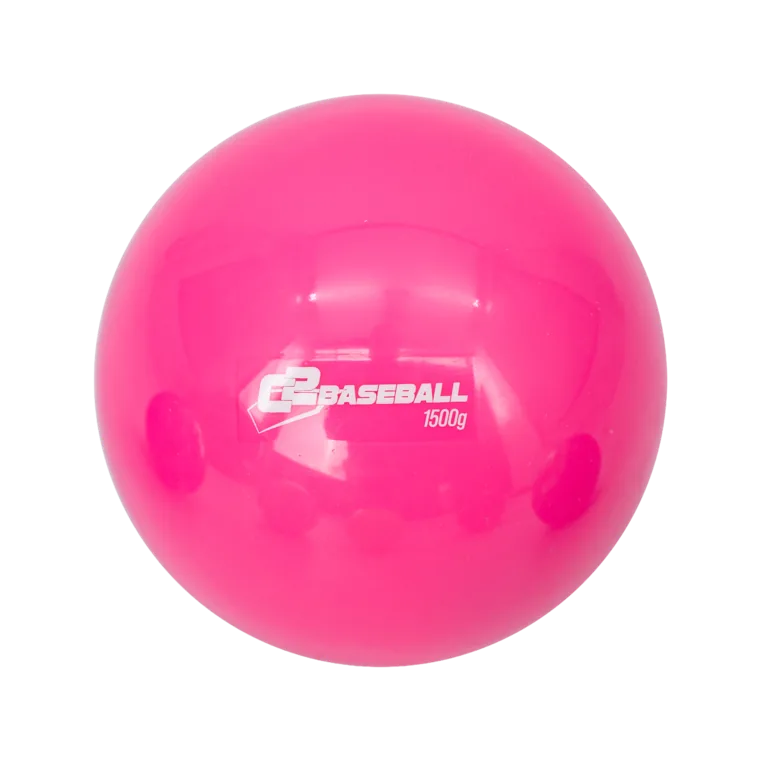 1,500 gStrong Proprioceptive Feedback
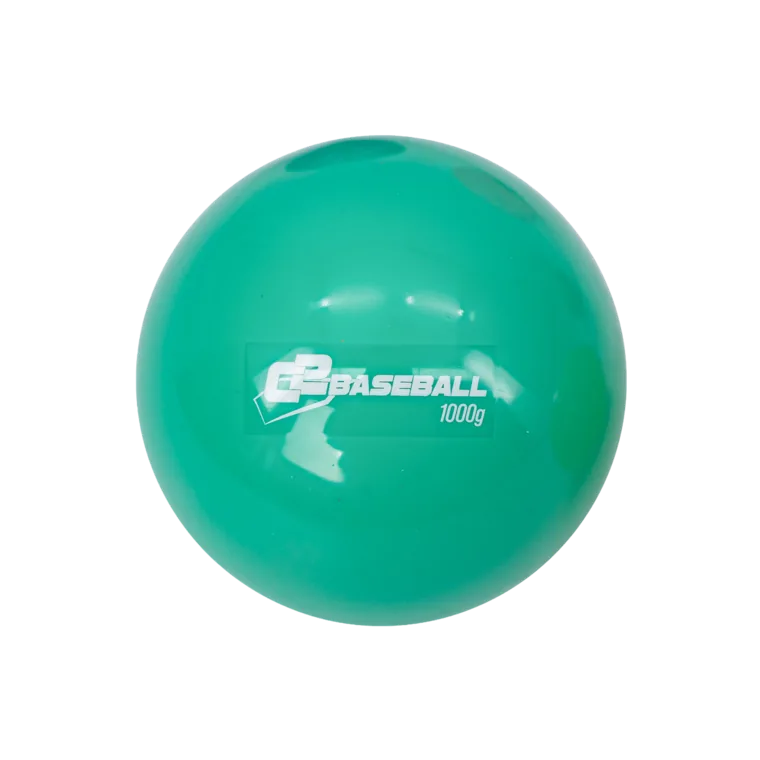 1,000 gProprioception & Mechanics
Throwing & Hitting Plyo Balls for Baseball
C2 Throwing Plyo Balls train mechanics, arm care and velocity. C2 Hitting Plyo Balls make contact quality, bat path and barrel control visible. For players, coaches and teams who train with a clear purpose.
Choose your focus.

The proven product quality stays. The C2 brand adds coaching expertise, education and a clearer path from equipment to purposeful training.
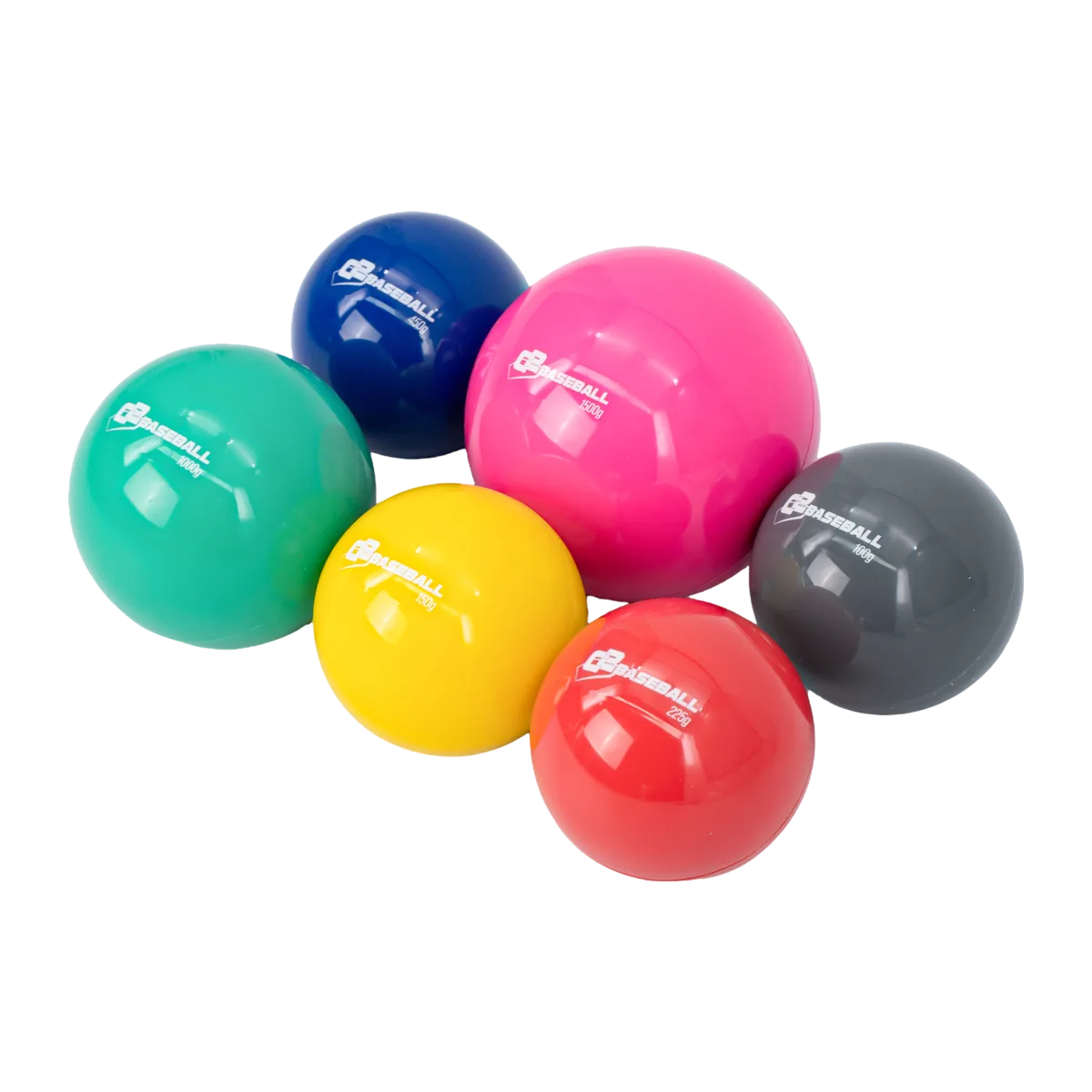
Feel mechanics. Structure arm care. Develop velocity and arm speed with a clear training stimulus.
For pitchers, position players & coaches
Make contact quality visible. Train bat path, timing and barrel control with immediate feedback.
For hitters, teams & coachesThrowing Plyo Balls · Velocity · Arm Care · Mechanics
Six progressive Baseball Plyo Balls make movement easier to feel and organize the training stimulus: heavy weights for proprioceptive feedback and mechanics, middle weights for warm-up and rate of force development, and light weights for overspeed training and arm speed.
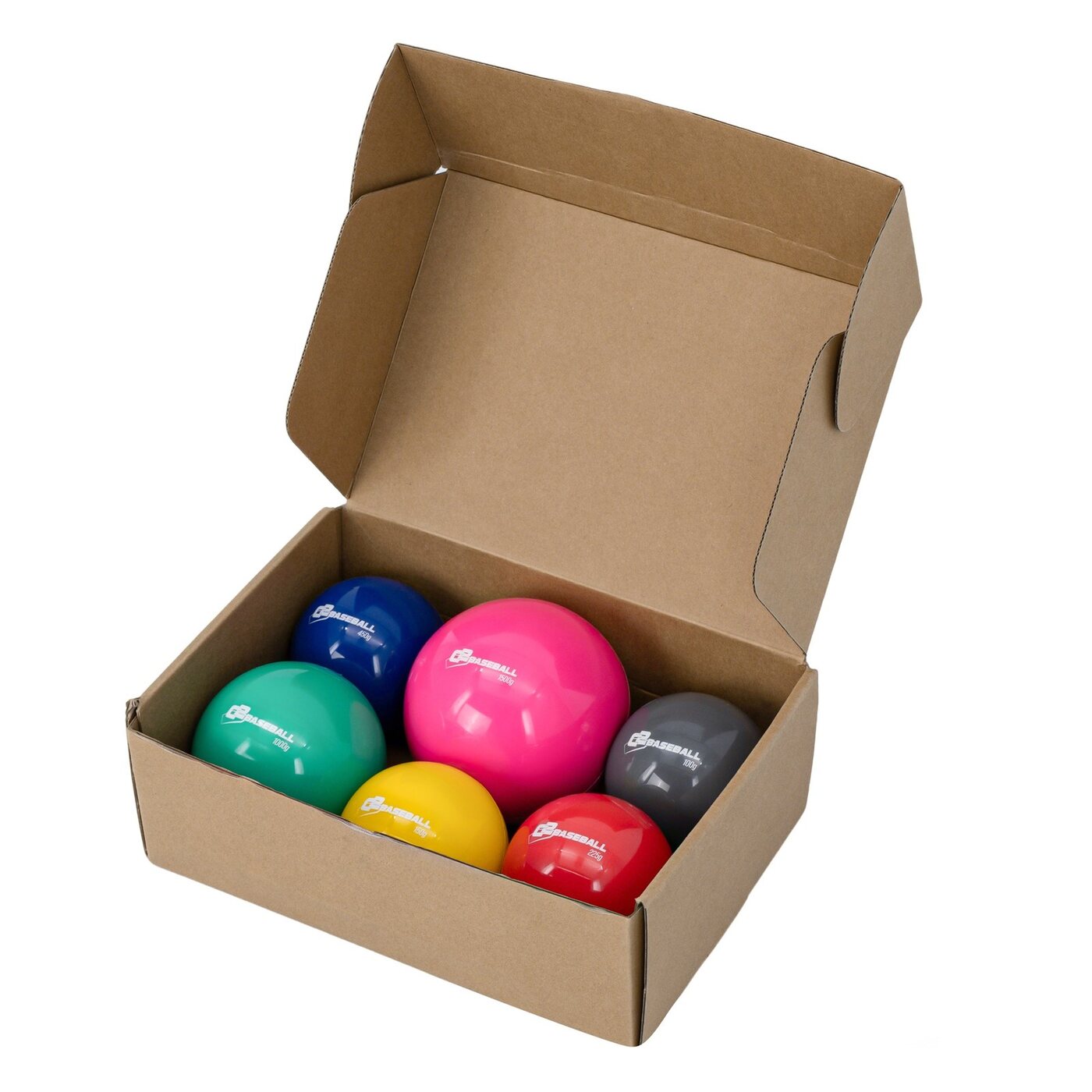
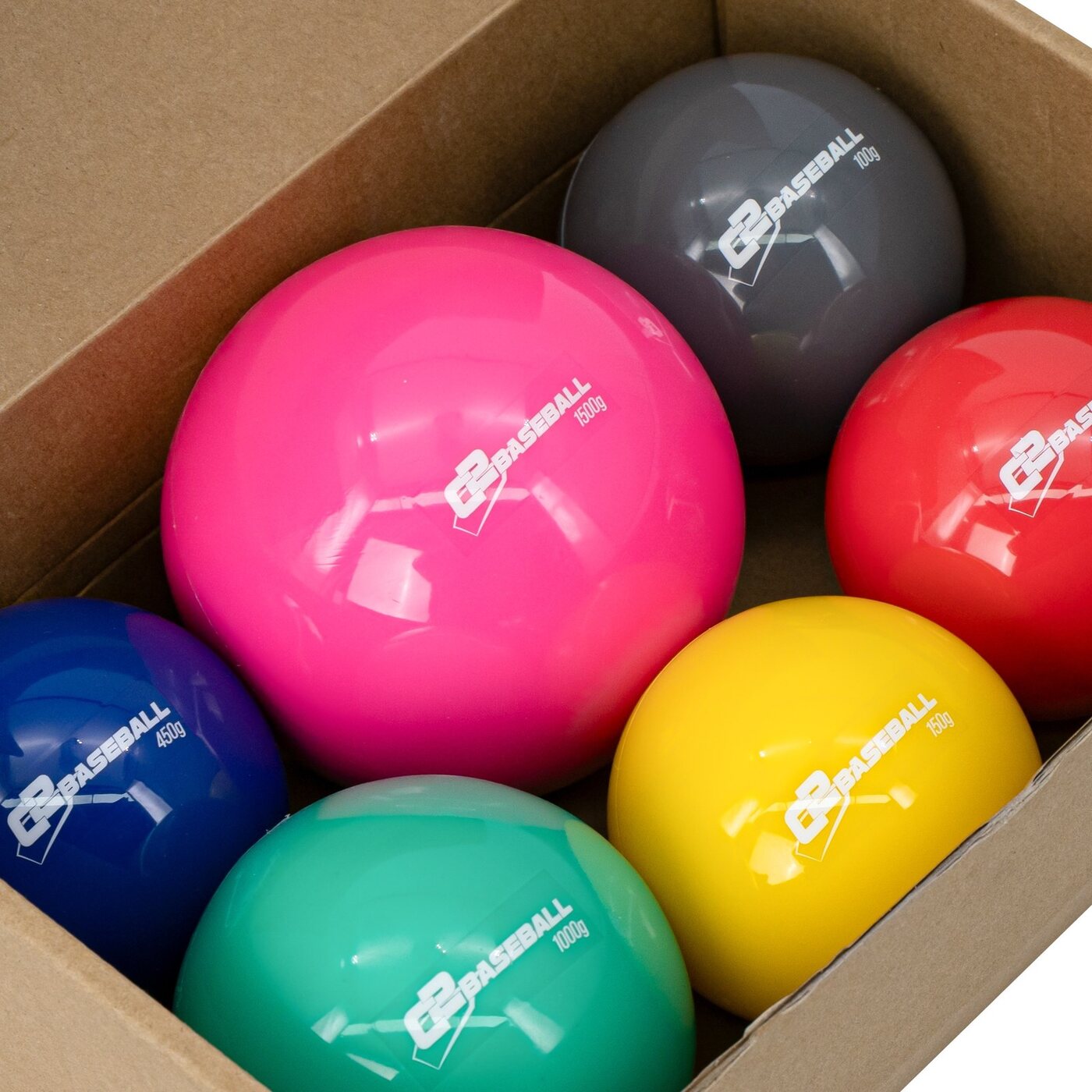
Exclusive with the complete Throwing Set
The C2 Replacement Pass lets you replace missing regular Throwing Plyo Balls at a reduced price—so one lost ball does not mean buying a whole new set.
Throwing Plyo Balls · 100 to 1,500 g
Every weight has a job. Heavy balls increase proprioceptive feedback. The middle weights connect warm-up, rate of force development and mechanics work. Light balls create an overspeed stimulus for focused arm-speed development.
Proprioception. Positions. Mechanics.
1,500 gStrong Proprioceptive Feedback1,000 gProprioception & MechanicsWarm-up. RFD. Technical constraints.
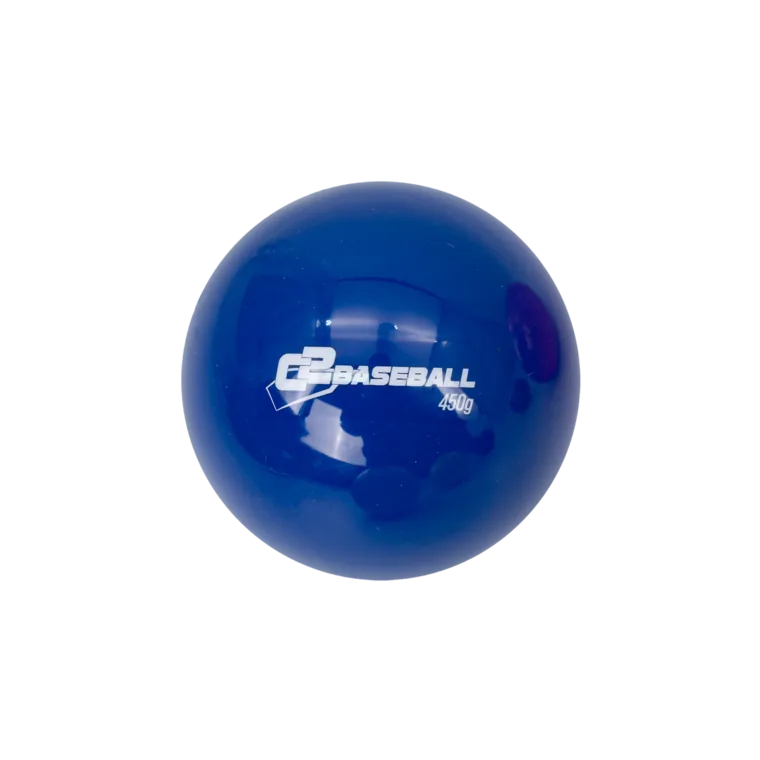 450 gWarm-Up, RFD & Mechanics
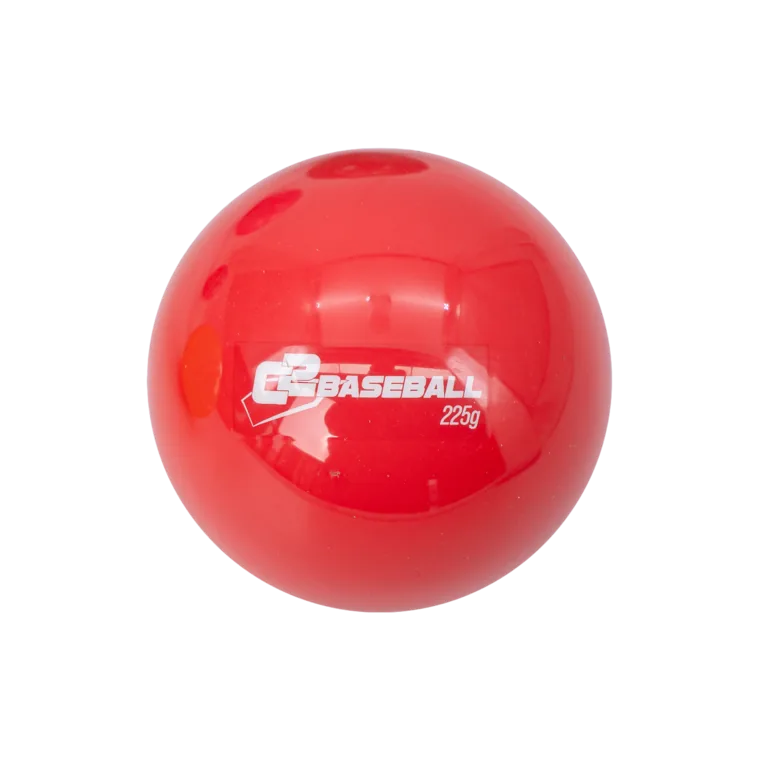 225 gWarm-Up, RFD & Mechanics
Overspeed. Coordination. Arm speed.
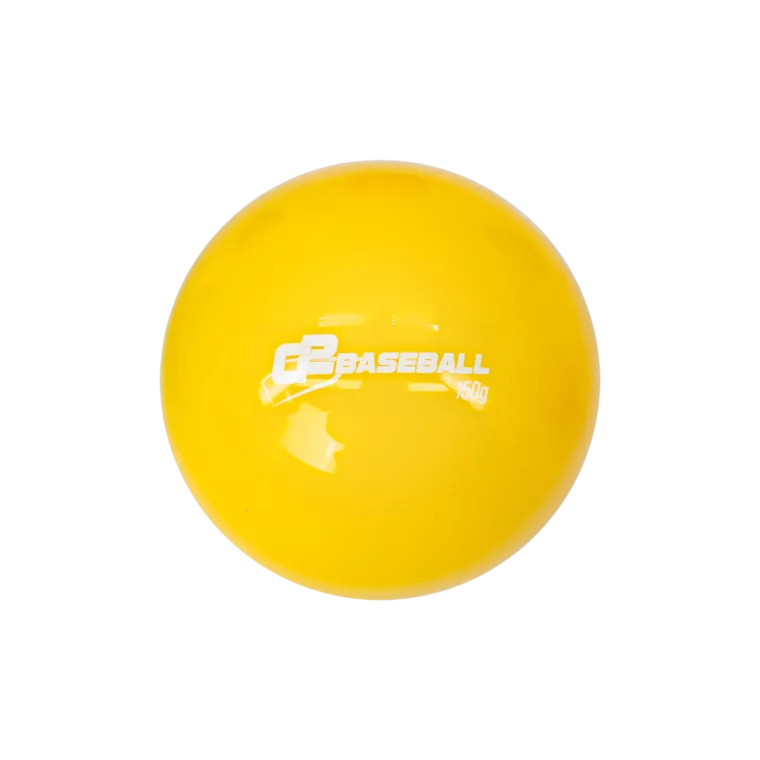 150 gOverspeed & Arm Speed
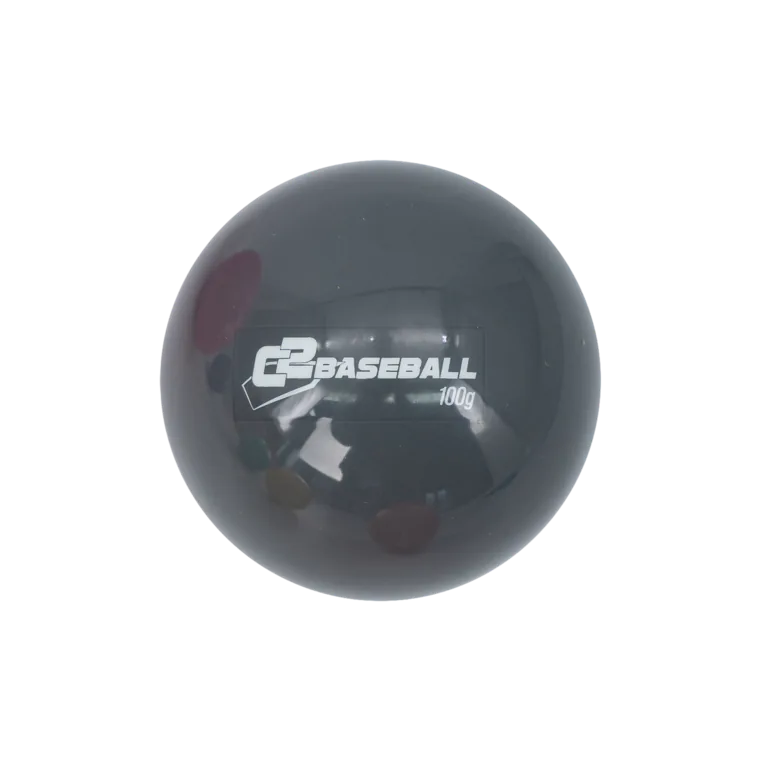 100 gOverspeed & Arm Speed
Throwing Plyo Balls · Mechanics & Proprioception
Throwing Plyo Balls change the conditions of the movement. The full educational foundation of the original Plyoshop page remains—presented in calmer chapters and connected directly to each training stimulus.
The 1,500 g and 1,000 g balls create the strongest proprioceptive feedback. Used in controlled constraint drills, they make positions, rhythm and movement paths easier to feel and support focused mechanics work.
The middle weights—450 g and 225 g—fit warm-up, rate-of-force-development work and technical constraint drills. The stimulus comes from the combination of weight, task, intent and well-managed volume.
The 150 g and 100 g balls create an overspeed stimulus. They challenge coordination and movement quality at higher speeds and can be used specifically to develop arm speed.
The different weight can help the arm access larger ranges of motion at lower throwing intensities. When dosed correctly, Throwing Plyo Balls support mobility, activation and preparation for higher-intensity throwing.
Plyo Balls can be used in arm-care routines for movement quality, arm fitness, deceleration and force absorption. They do not replace medical assessment or rehabilitation. Pain is a reason to stop and seek qualified guidance.
The complete set combines heavy balls for proprioceptive feedback, middle weights for warm-up, RFD and mechanics, and light balls for overspeed and arm-speed development.
Throwing Plyo Balls in Action
A look at how Niklas Rimmel prepares before a game. The video also shows him using C2 Plyo Balls as part of his personal routine.
Velocity Training · Arm Care · Throwing Drills
Understand the stimulus first. Then choose the drill. C2 articles and routines show how Throwing Plyo Balls fit into a complete throwing program.
Warm-up, physical adaptation, technical development and arm care—placed in the right context.
Read the article → Training DesignTurn individual balls and drills into a coherent training block.
Read the article → Free RoutineA practical introduction with exercises, links and videos for structured early sessions.
View the routine →An arm-action drill for timing, the pickup phase and the driveline.
View the drill → Throwing DrillAdd movement with a focus on trunk stack, hip position and the transition into the throw.
View the drill → Throwing DrillTrain weight shift, back-hip load, sequencing and the lead-leg block.
View the drill →Hitting Plyo Balls · Contact Quality · Bat Path
C2 Hitting Plyo Balls weigh 350 grams and provide immediate feedback on every contact. They show whether the barrel stays stable through the ball—and whether bat speed actually becomes contact quality.
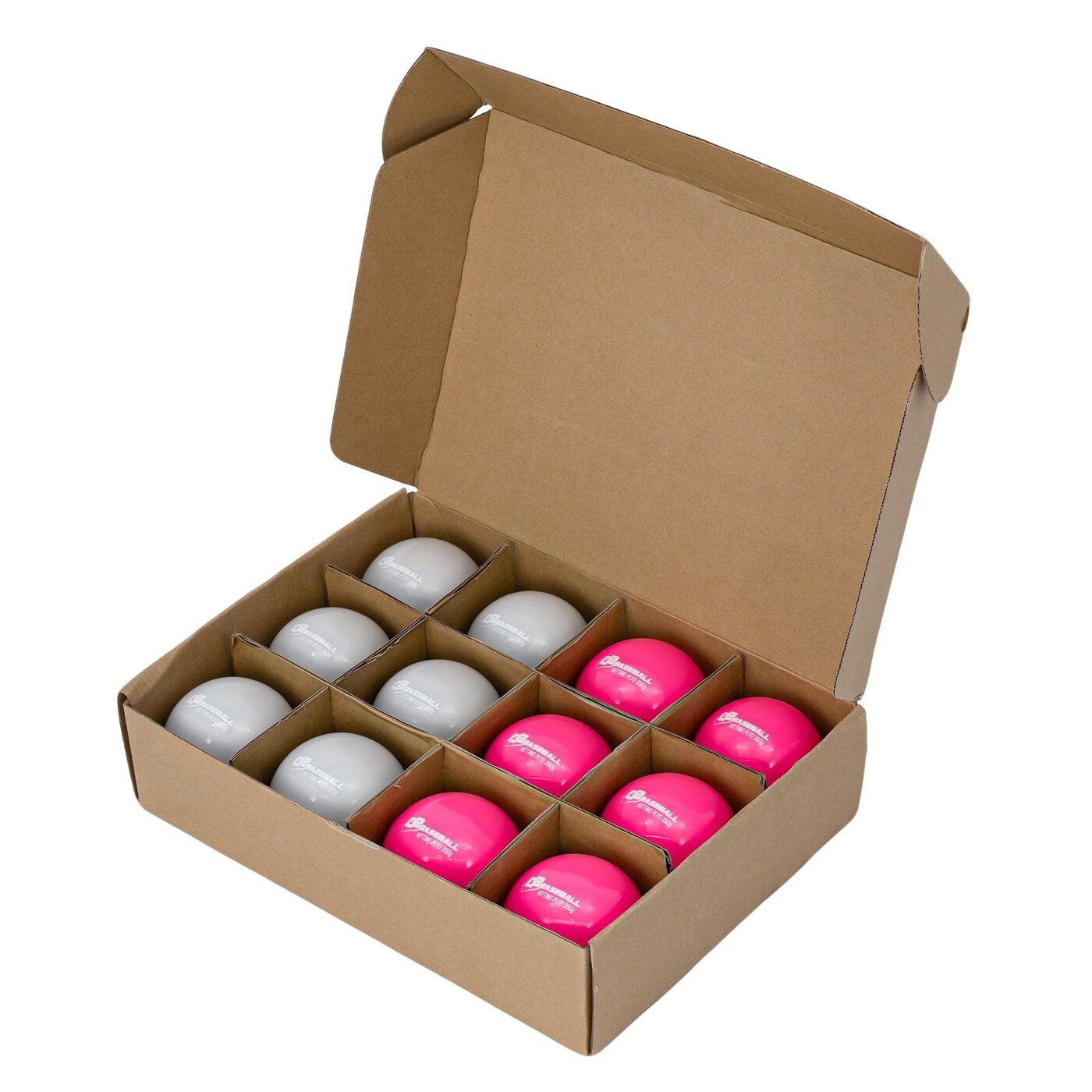
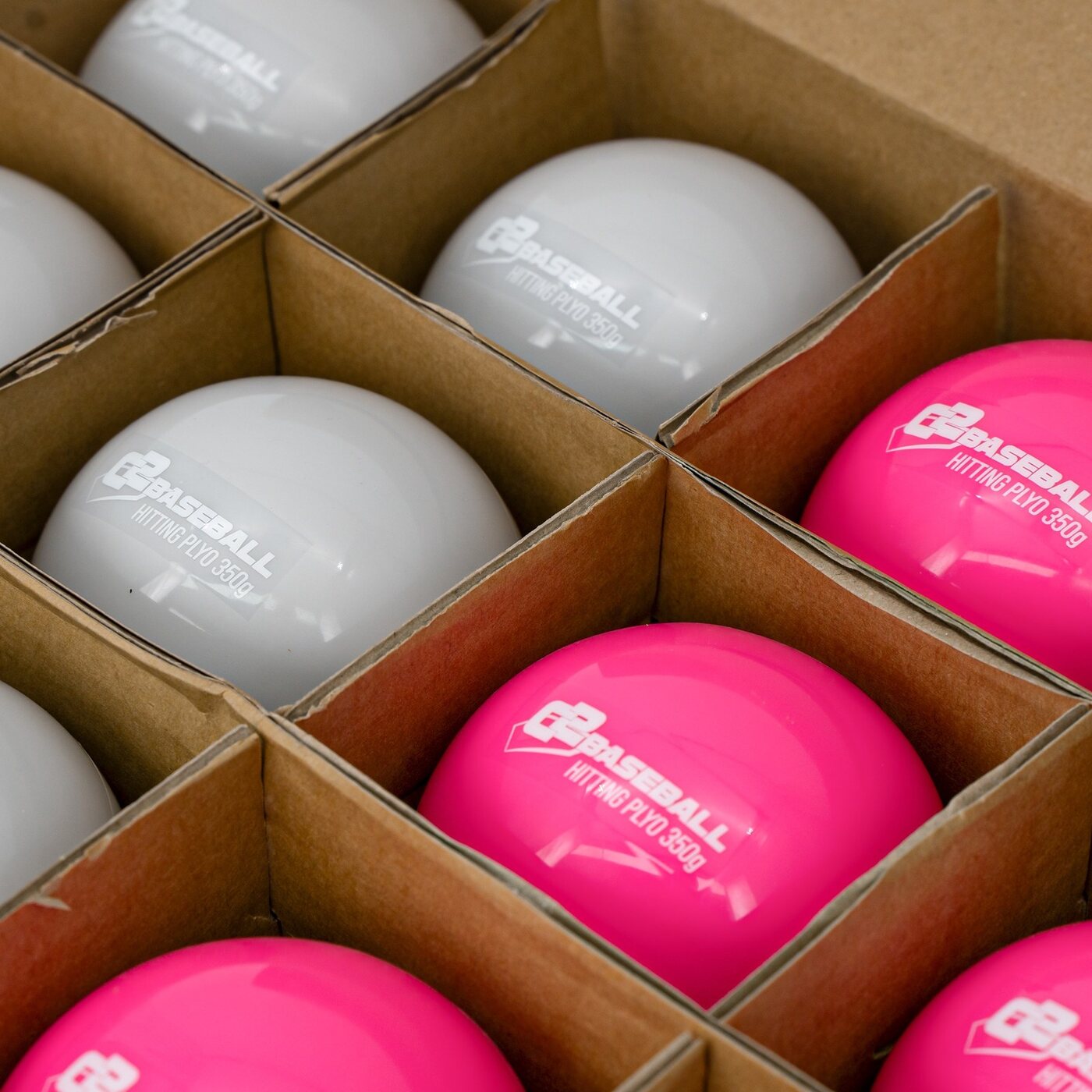
Hitting Plyo Balls · Contact Quality
Contact quality is created at impact. These principles explain why Hitting Plyo Balls make bat path, barrel control, timing and acceleration through the ball immediately visible.
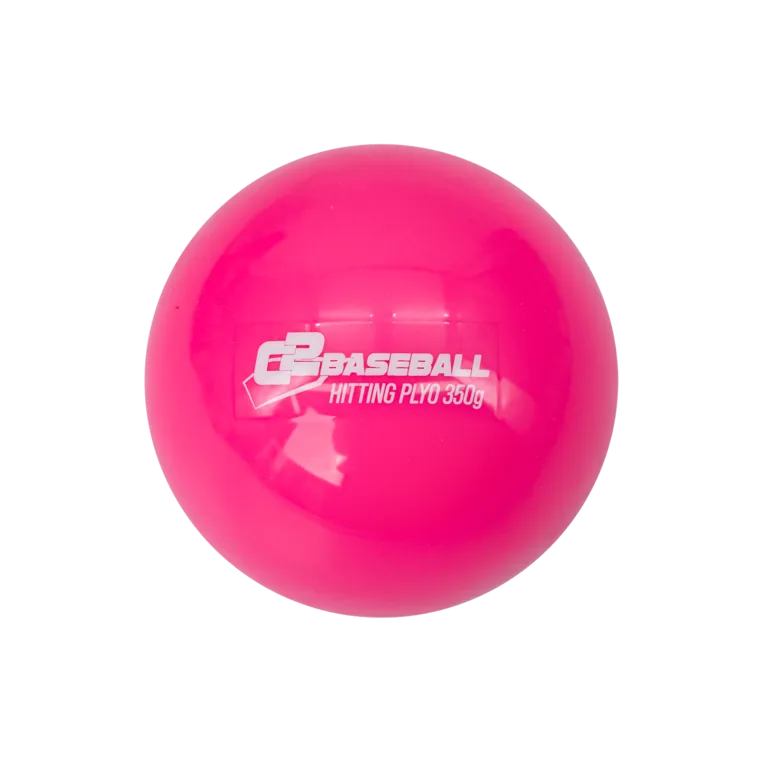
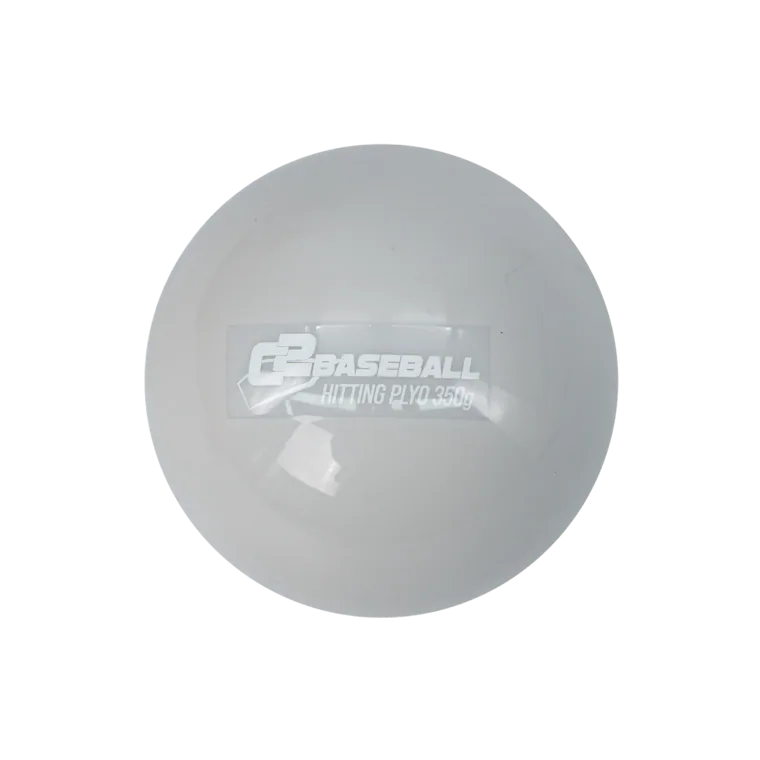
Contact quality describes how efficiently energy moves from the bat into the ball. It improves when the barrel stays stable behind the ball and contact is made close to the center of the ball.
Poor contact often shows up as weak ground balls, mishits, excess spin, limited control or inconsistent ball flight. More strength or more bat speed does not automatically solve that problem—the issue may be the contact itself.
Regulation baseballs can hide small errors. Hitting Plyo Balls are less forgiving: when the barrel is not cleanly behind the ball, the ball visibly spins or leaves the bat like a pizza.
The athlete immediately sees and feels whether the barrel was stable, whether acceleration continued through the ball, whether contact was centered and whether the bat angle matched the task.
Testing showed that the heavier 350 g design creates especially useful contact-quality feedback. It requires the hitter to keep applying force through contact while reducing flight distance for high-rep work in smaller spaces.
Pink and gray are easy to find on grass. The two colors can also drive swing-decision work: swing at one color and take the other, connecting movement feedback with visual recognition and decision-making.
Choose the pack size that fits the athlete, the cage or the entire team.
Hitting Plyo Balls in Training
The ball shows what happens at impact. A stable barrel drives it cleanly. Poor contact creates visible spin and unstable ball flight.
National Team & Academy Experience
Georg Bull and Octavio Medina explain how immediate feedback improves daily work on contact quality, barrel control and player development.
Turn on sound to hear the complete coach feedback.
Hitting Plyo Balls · Constraint Training · Bat Speed
Go deeper into contact quality, swing decisions and bat-speed transfer—then open the pack size that fits your training environment.
A detailed guide to barrel stability, pizza spin, the 350 g design and small-space training.
Read the article → Product GuidePack sizes, key benefits, current availability and the complete product description.
View the product → Plyoball BlogThrowing, hitting, routines, product development and practical training content.
Open the blog →Verifiable Trust
Real training videos, published store data and verifiable coaching practice. No invented voices. No artificial performance claims.
The rating and review count refer to the complete C2 store. Products, education and drills are shaped by work with players, teams and performance baseball.
C2 Baseball
Performance-focused products for players, coaches and clubs in Europe—with a clear function, reliable availability and education instead of hype.
Plyoshop and C2 worked together for years. When the previous supplier stopped operating, C2 continued the product line—keeping the practical know-how while managing production, branding and availability under one performance-focused baseball brand.
Other Throwing Sports
C2 is a baseball brand. The principles of variable weight, movement feedback and progressive loading can still be relevant in other throwing sports when adapted by qualified coaches.
Soft balls with different weights may support selected throwing-movement, perception and load-variation drills. The exercises must be adapted to handball technique and demands.
Quarterbacks and position coaches can use similar ideas for arm action, rhythm and variable constraints. Baseball drills should not be transferred without sport-specific adjustment.
Sequencing, speed and energy transfer are central to the javelin throw as well. Plyo Balls can provide supplemental feedback but do not replace the implement or sport-specific technical work.
Frequently Asked Questions
Clear answers about Baseball Plyo Balls, velocity training, arm care, contact quality, overspeed and constraint training.
Own your excellence
Choose the product for your next training focus. The next step takes you directly to the right C2 offer.
Six weights for mechanics, warm-up, RFD, overspeed, arm care and velocity training.
Shop Throwing Plyo Balls350 g Plyo Balls for contact quality, bat path, barrel control and swing decisions.
Shop Hitting Plyo Balls